Introduction: Lenticular lamination gives a publication cover a lens-effect surface while the inner pages stay plain reading pages.
A brochure, magazine, or textbook usually has two jobs in one product. The cover has to attract attention, and the inner pages have to carry the reading. A 3D lenticular laminate film belongs to the first job. It is a roll-format finishing laminate that changes the cover surface, while the inside pages remain normal paper for text, images, and notes. The useful planning approach is to treat the film as surface finishing and keep the reading pages separate.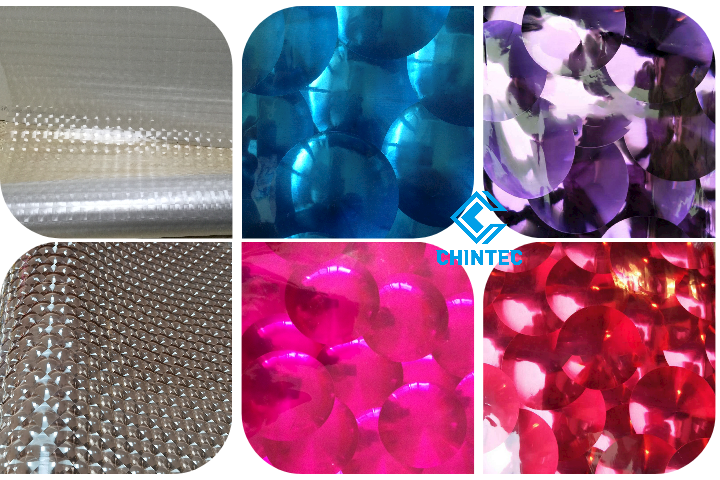
The cover is the part that has to stop a hand, survive a shelf, and send a quick signal about the publication. The inner pages have a quieter job: they need to be comfortable to read for several minutes. That difference in use is the reason a lens-effect cover film can make sense while the inside pages stay conventional. The cover is seen at an angle, picked up, and shown to other people. The pages are turned, scanned, and read in sequence. A finishing choice that adds depth or shine to a cover can feel lively there, while the same surface on every inner page would compete with the text.
A brochure cover and a magazine cover are often judged in a second or two. The surface can help by catching light, adding depth, or giving the printed image a change of appearance as the cover tilts. A transparent or patterned 3D lenticular laminate film is a surface finish, so the design and typography still come from the artwork. The film changes how the cover presents that artwork. Inner pages need even ink laydown, low visual noise, and a smooth reading surface. They work best when the paper and finish stay calm enough for long text, captions, and small images.
A textbook cover sits closer to daily student use than a magazine cover. It goes into bags, rests on desks, and is handled by younger readers. For a cover aimed at children, the material questions should match the age group and the sales market. EN 71-3 and toy-safety rules can be part of that review when the cover is treated as a child-related item. The document set should match the chosen roll and the school market. A publisher planning a textbook cover should ask for the papers that fit that use before the cover is approved, especially when the cover is meant for young students.
Lenticular lamination is a finishing step, not a page layout system. The cover is printed first, then the film is bonded to the cover sheet. Because it is a lenticular thermal laminating film, heat and pressure bond it to the printed stock. The film is supplied in rolls, so the cover can be run as a separate finishing pass before binding. That keeps the inside pages on their normal paper and lets the cover carry the visual effect. A brochure cover can use the film for a promotional page feel, while the inside pages stay as the reading section. The roll format also shapes how the material is planned. A lenticular lamination film manufacturer supplies the product as a roll, and a lenticular film supplier may quote it by roll width, roll length, and core size. Chintec Plastic Film offers this as a roll-format finishing laminate with transparent, silver, color-tinted, and patterned appearance options. Transparent film keeps the printed cover close to its original look while adding the lens surface. Silver gives a cooler metallic cast. Color-tinted versions push the cover toward gold, green, blue, or other tones. Patterned versions add a repeat visual texture. The film changes the cover surface, while the magazine or brochure pages remain ordinary reading surfaces.
A lens surface bends and reflects light, so printed color can look different as the cover moves. Under a transparent film, the printed image stays close to the proof, but the surface adds highlights and a slight change in contrast as the cover tilts. Silver and tinted films shift the look more. A silver base can cool the image, while a gold or green tint can warm or color the whole cover. Patterned film can break the image into a repeat texture. That is why a cover proof and a laminated sample can look different even when the ink and paper are the same. Color management helps printers keep the printed sheet consistent, and ICC-based workflows are a common way to manage appearance across proofing and production. A lens surface adds a viewing-angle effect that a flat proof cannot show. The practical approach is to judge the laminated cover under the light where it will be seen. A magazine cover in bright retail light can show strong lens highlights. A textbook cover in classroom light may need a calmer color balance. A laminated sample made with the chosen film and cover stock is the clearest way to judge the final appearance before a full run.
Brochure covers, magazine covers, and textbook covers all benefit from a clear split between display and reading. The cover can take a 3D lenticular laminate film because its job is to attract attention and present the publication. The inner pages should stay as reading surfaces with normal paper and a calm finish. For textbook covers, the age of the reader and the target market should guide the material documents. The film is a surface finishing choice, and the editorial content stays in the design. A product reference can help a planner see the roll format, appearance options, and cover use before choosing the treatment.
A: A brochure cover becomes a display surface. The lens-effect film changes how light hits the cover, so the title and image can show depth or motion as the cover tilts. The inside pages are still read as normal pages. The film is applied to the cover sheet as a finishing step, so the reading sequence stays the same.
A: A textbook cover is handled by students and often sits in classrooms and school bags. That makes age, surface handling, and child-related material documents more important. Magazine inner pages are read and turned, so smooth paper and even ink matter more than a lens surface. The two parts can share a design, but they do not need the same finish.
A: Yes. A lens surface reflects and bends light, so the same printed color can look brighter, deeper, or slightly shifted as the angle changes. Transparent film keeps the color closer to the proof; silver and tinted films add their own cast. A laminated sample under the final lighting is the best way to judge the result.
Toy safety - Internal Market, Industry, Entrepreneurship and SMEs
About ICC — International Color Consortium
3D Lenticular Visual Display Lens Effect Finishing Plastic Laminate Film